Does a More Powerful Charging Station Always Shorten Charging Time?
See why a higher kW rating does not always mean a shorter EV charging session, and how vehicle limits, battery conditions and power sharing affect speed.
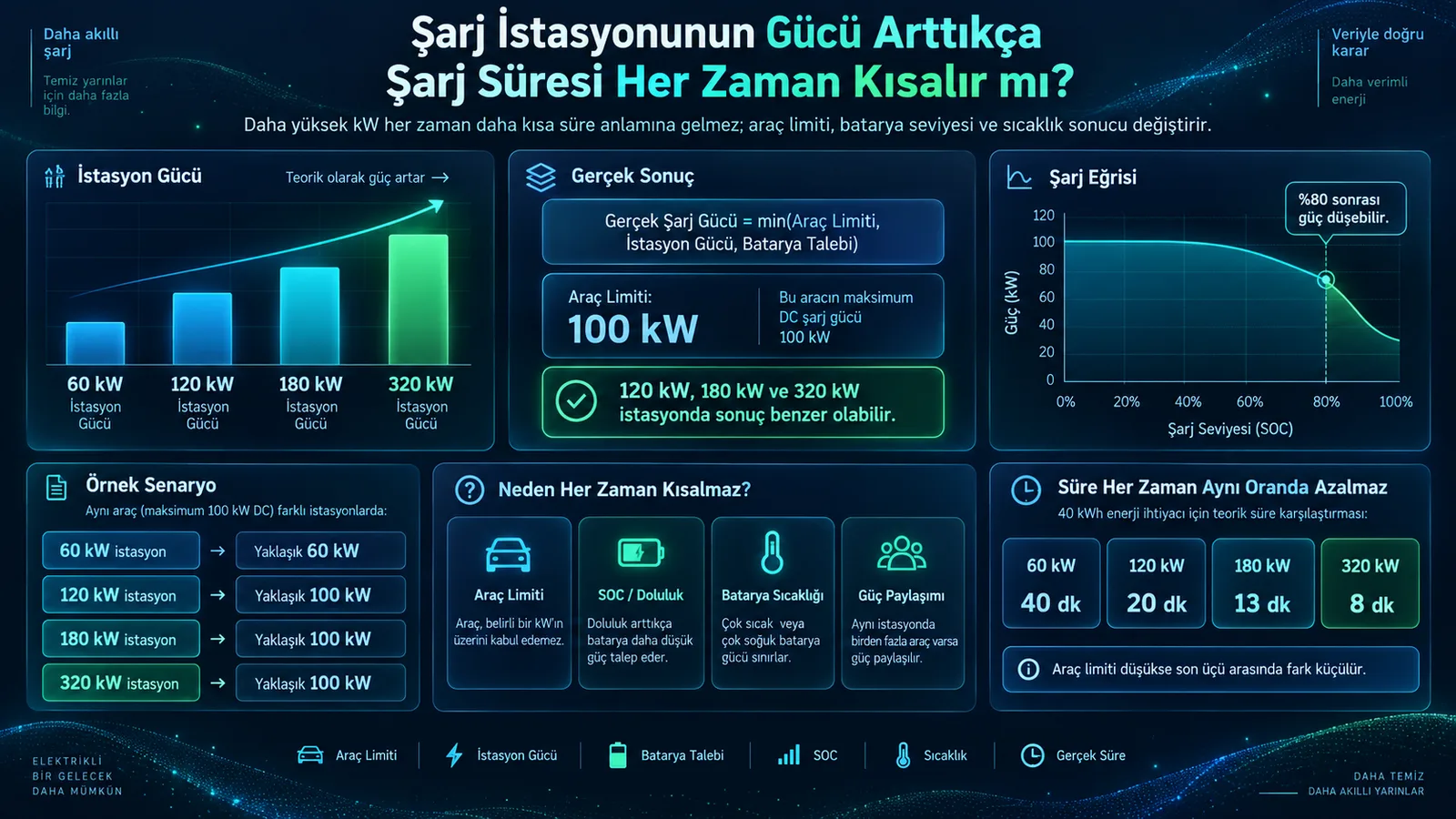
Table of contents
Does a More Powerful Charging Station Always Shorten Charging Time?
It is tempting to assume that a 320 kW station must charge every EV faster than a 180, 120 or 60 kW station. Higher station power can shorten a session, but only if the vehicle can accept and use the extra output. Vehicle limits, state of charge, battery temperature and the station’s available capacity all matter.
What does a higher kW rating mean?
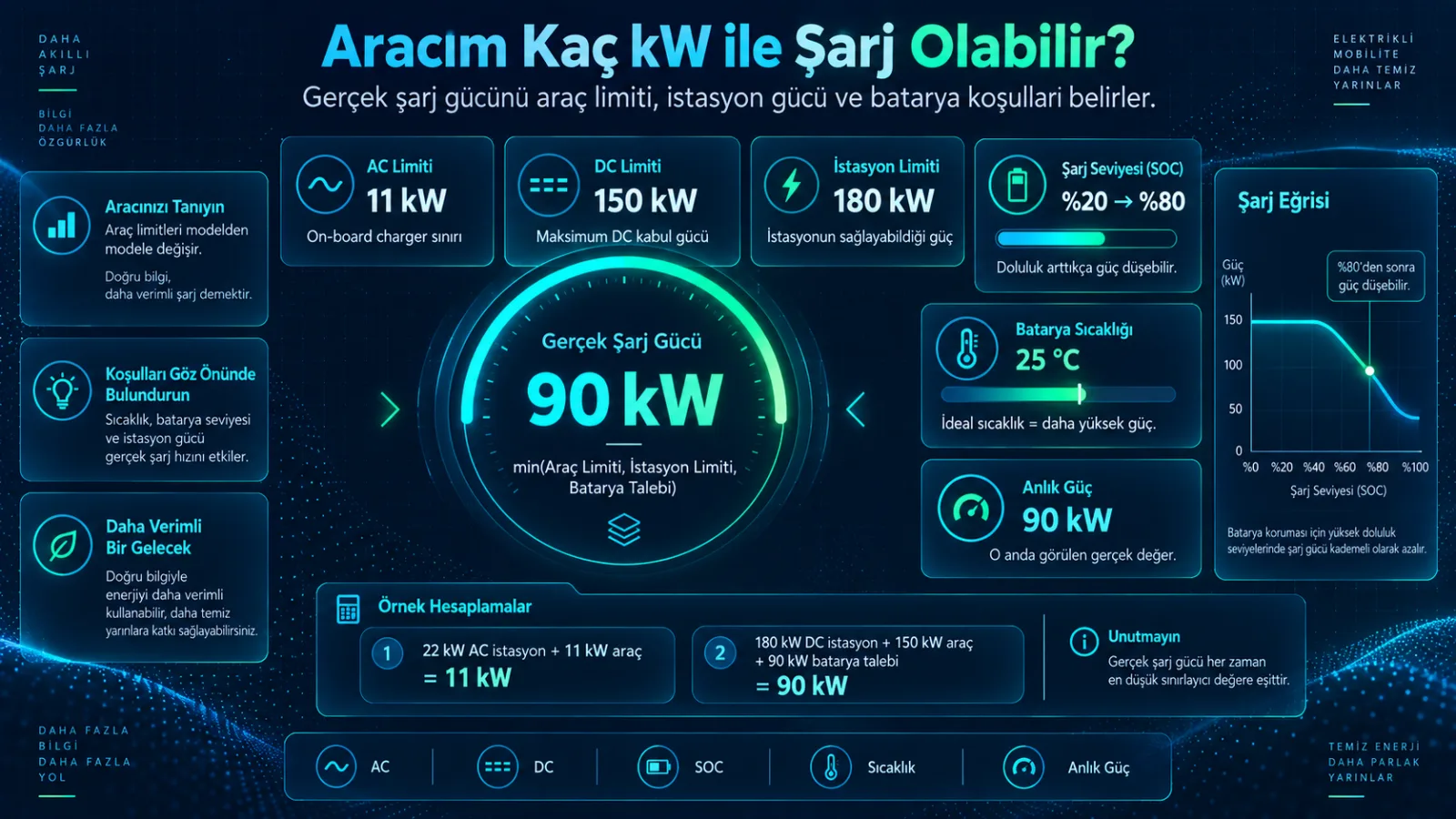
A station’s kW rating is the maximum power it can provide under suitable conditions. A 180 kW DC station can potentially supply up to about 180 kW; it does not guarantee that a connected car will request that much.
Actual power is constrained by the station, the vehicle’s DC rating, the battery’s current state and temperature, the charging curve and any shared station capacity. A useful simplification is: the lowest active limit governs charging power.
A 100 kW car on 120, 180 and 320 kW stations
If a vehicle supports a maximum of 100 kW DC, it will generally remain at or below that level on all three stations. Moving from a 120 to a 320 kW unit will not substantially shorten its session once the vehicle is the limit.
| Station | Vehicle limit | Theoretical upper bound |
|---|---|---|
| 60 kW | 150 kW | 60 kW |
| 120 kW | 150 kW | 120 kW |
| 180 kW | 150 kW | 150 kW |
| 320 kW | 150 kW | 150 kW |
These are upper bounds; the battery might request even less.
Why does average power matter more than peak power?
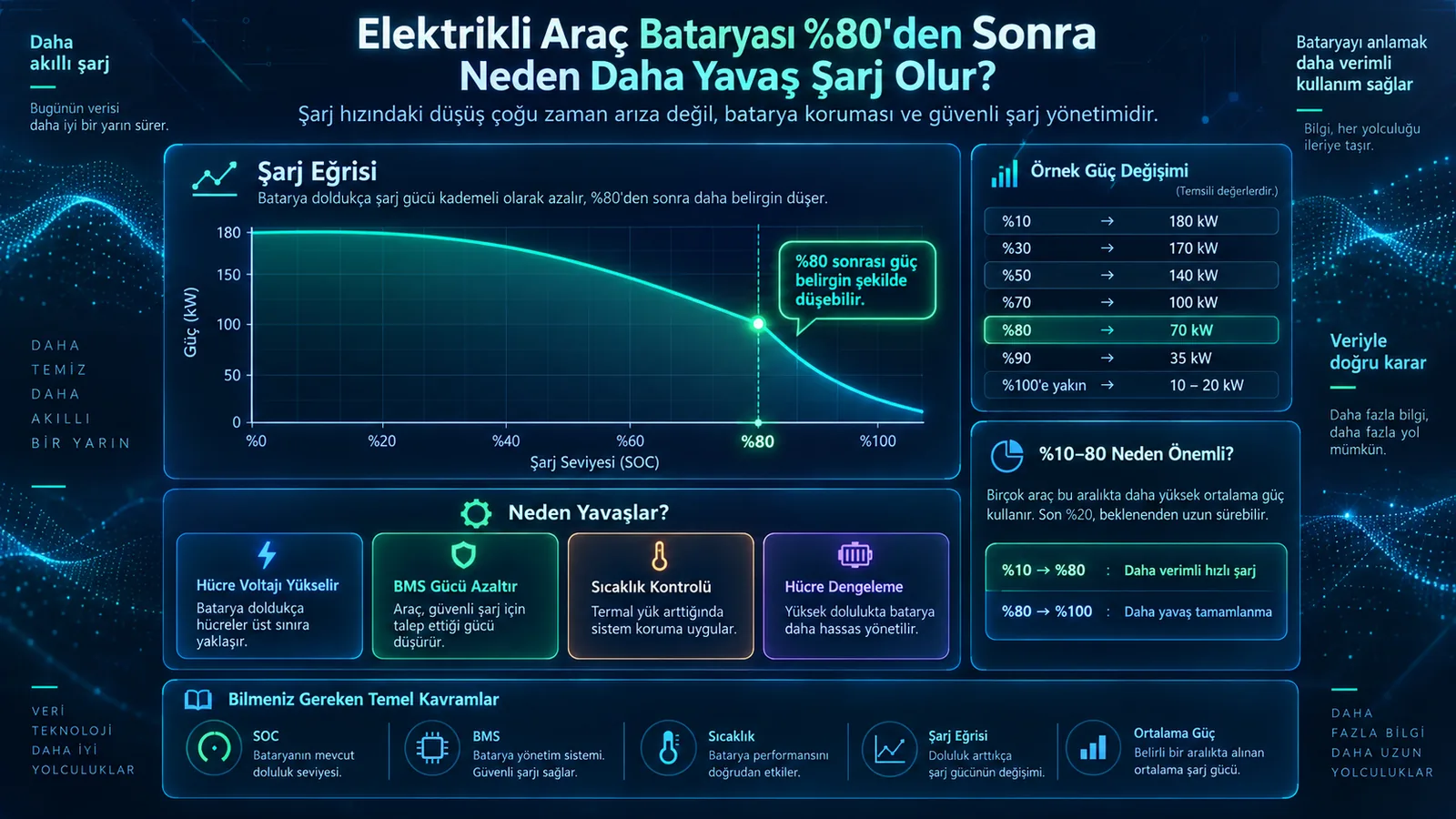
A car advertised at 180 kW peak DC might reach that level at 10–25% charge, then draw 160 kW at 25–45%, 125 kW at 45–60%, 80 kW at 60–80% and 40 kW beyond 80%.
This pattern is its charging curve. Two cars can have similar peaks yet different overall charging times. A car that briefly reaches 200 kW and quickly falls to 100 kW might be slower over a given charge range than one that holds 150–160 kW for longer.
How does state of charge change the result?
As a battery fills, the vehicle often reduces its power request to charge safely. Many vehicles slow noticeably above about 80%. The same car arriving at 90% on a 320 kW station can therefore charge more slowly than when it arrived at 10% on a 120 kW station.
This is one reason 10–80% charging time is commonly quoted. On some trips, stopping around 70–80% and charging again later can save time compared with waiting for 100% at every stop.
When does a higher-power station really help?
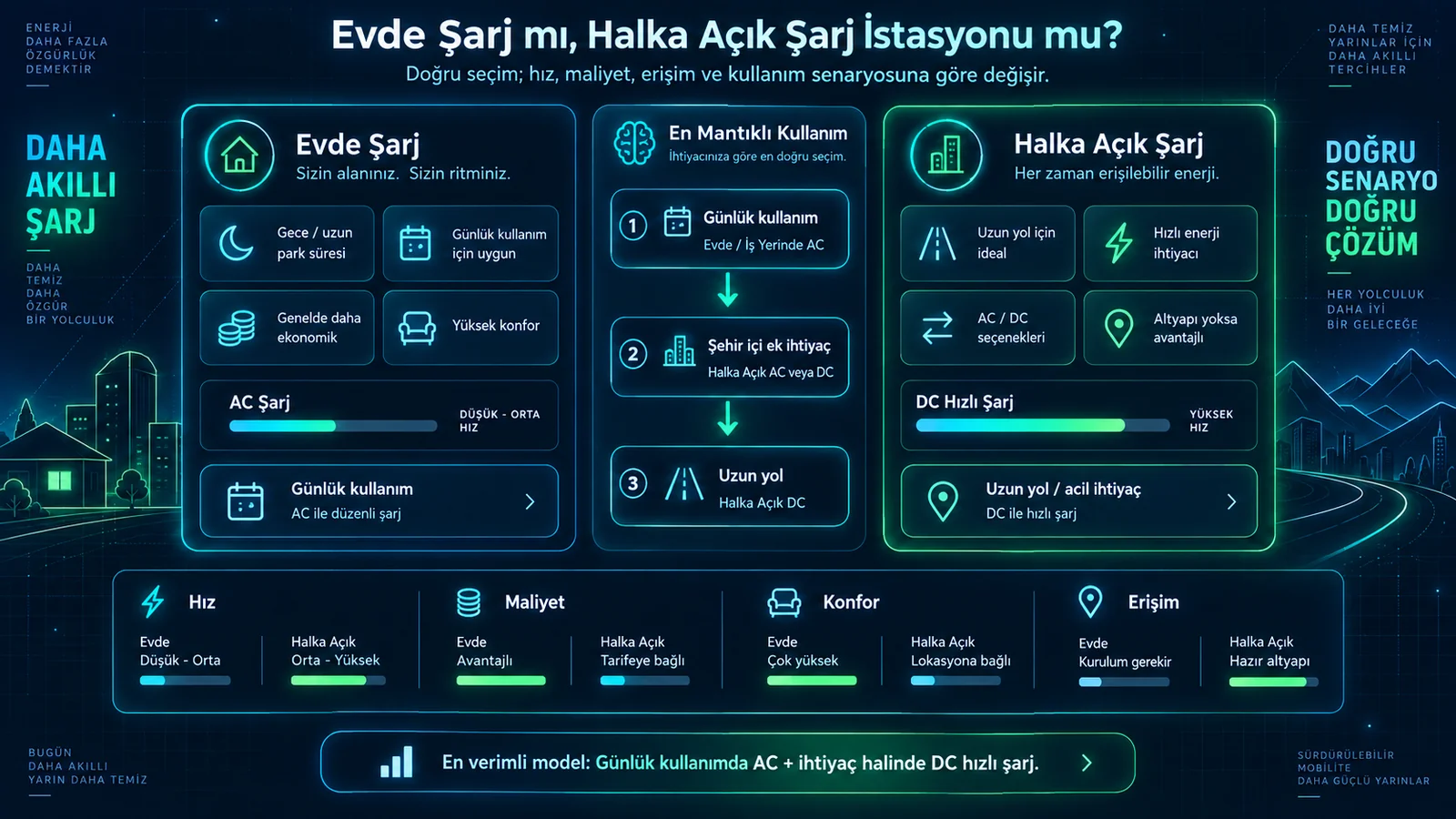
It helps when the vehicle can accept more power than the current station can supply. A car capable of 180 kW might be limited to 60 kW on a 60 kW station, 120 kW on a 120 kW station and potentially 180 kW on an 180 kW station. Once the vehicle’s limit is reached, a higher station rating has diminishing speed benefit.
For 40 kWh delivered at an unrealistically constant average power, the theoretical comparison is:
| Average power | Approximate time |
|---|---|
| 40 kW | 60 minutes |
| 60 kW | 40 minutes |
| 80 kW | 30 minutes |
| 120 kW | 20 minutes |
| 180 kW | About 13 minutes |
If the car cannot accept more than 80 kW, the 120, 180 and 320 kW station ratings will not yield those shorter theoretical times for that car.
Can battery temperature cancel the advantage?
Yes. A cold battery might request only 55 kW even when both car and station are rated for 180 kW. Some vehicles precondition the battery on the way to a fast charger so it can accept more power on arrival.
Do 400 V and 800 V systems matter?
The relation Power = Voltage × Current means higher voltage can deliver a given power with lower current. Some higher-voltage vehicles can make better use of very high-power charging, but voltage alone is no guarantee. Battery design, current limits, vehicle controls and charging curve also matter.
Likewise, the station’s voltage and current ranges matter in addition to its headline kW rating. Two stations both labelled 300 kW may perform differently with the same vehicle.
Can the second connector reduce my power?
Yes. A dual-connector station labelled 180 kW may have 180 kW total, rather than per connector. It might deliver up to 180 kW to one car, then split capacity as 90 + 90 kW, 120 + 60 kW or dynamically when another car connects.
Dynamic power sharing can allocate output according to demand: a car requesting 120 kW and another requesting 40 kW might each receive their requested power from a 180 kW total system.
Why do gains diminish at very high ratings?
For a theoretical 40 kWh transfer, increasing average power from 60 to 120 kW cuts time from 40 to 20 minutes: a 20-minute gain. Moving from 180 to 320 kW would cut the theoretical time from about 13 to 7.5 minutes: only about 5–6 minutes. Real charging curves may shrink that advantage further. Time saved does not grow linearly with station power.
Why are high-power stations still valuable?
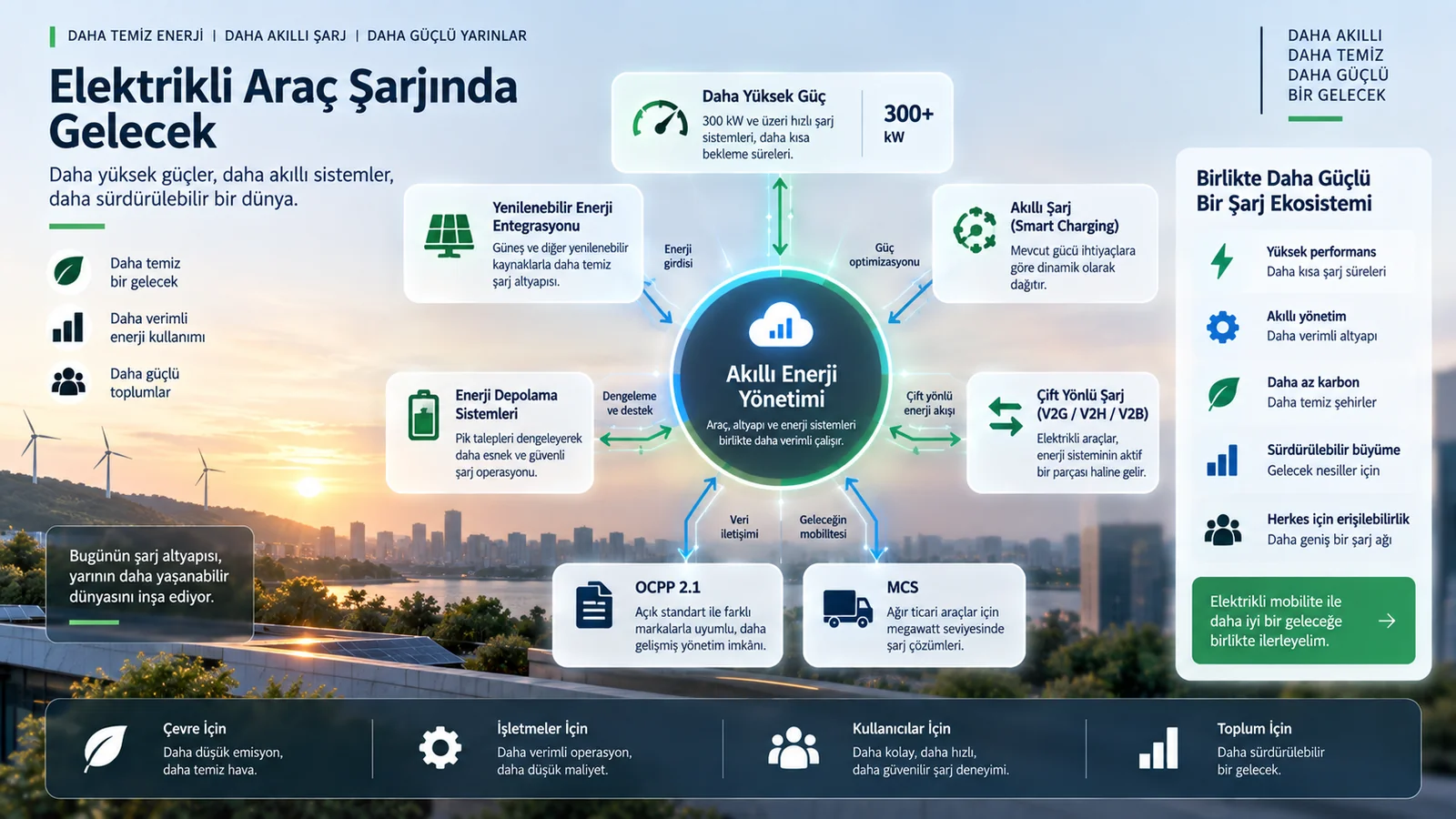
They can serve newer cars capable of higher rates, distribute power among multiple vehicles, improve throughput and prepare a site for future demand. An operator should consider vehicles served per hour, connector count and total capacity, not just the speed of one car.
Should a business buy the highest rating?
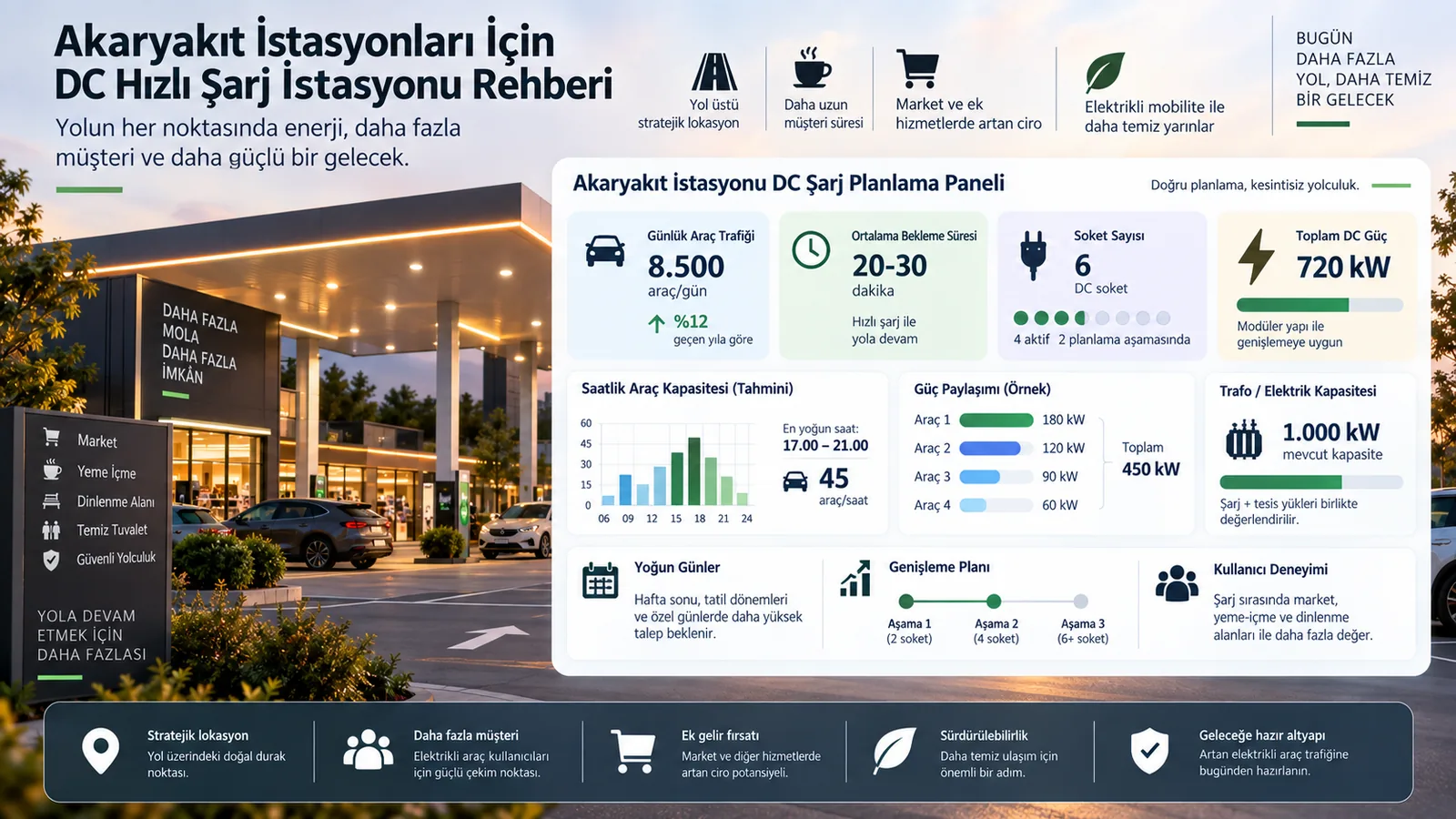
Not automatically. A site where people stay two hours may benefit more from several moderate-power connectors than one very high-power unit. At a highway rest stop with 15–20 minute visits, high-power DC may be more appropriate.
The decision should reflect expected dwell time, vehicle traffic, available electrical infrastructure, power sharing and investment cost. Drivers should compare the station with their vehicle’s maximum DC rate, 10–80% time, average power and battery conditions.
Conclusion
Increasing station power makes faster energy transfer possible, but it does not reduce every car’s charging time by the same amount. A 100 kW-limited car may see little difference between 180 and 320 kW stations; a newer car capable of 250 kW may benefit substantially. Choose power for the vehicle and use case, not just the largest rating.
About the author
Charge Teknoloji
Charging Infrastructure Team
Charge Teknoloji develops locally manufactured DC charging stations and OCPP-compatible charging network software.
LinkedIn arrow_outwardBe the first to hear about updates
Follow new content on electric vehicles and charging technologies.