How Many kW Can My EV Charge At?
Understand your vehicle's AC and DC charging limits and how station power, battery conditions, the charging curve and power sharing affect actual speed.
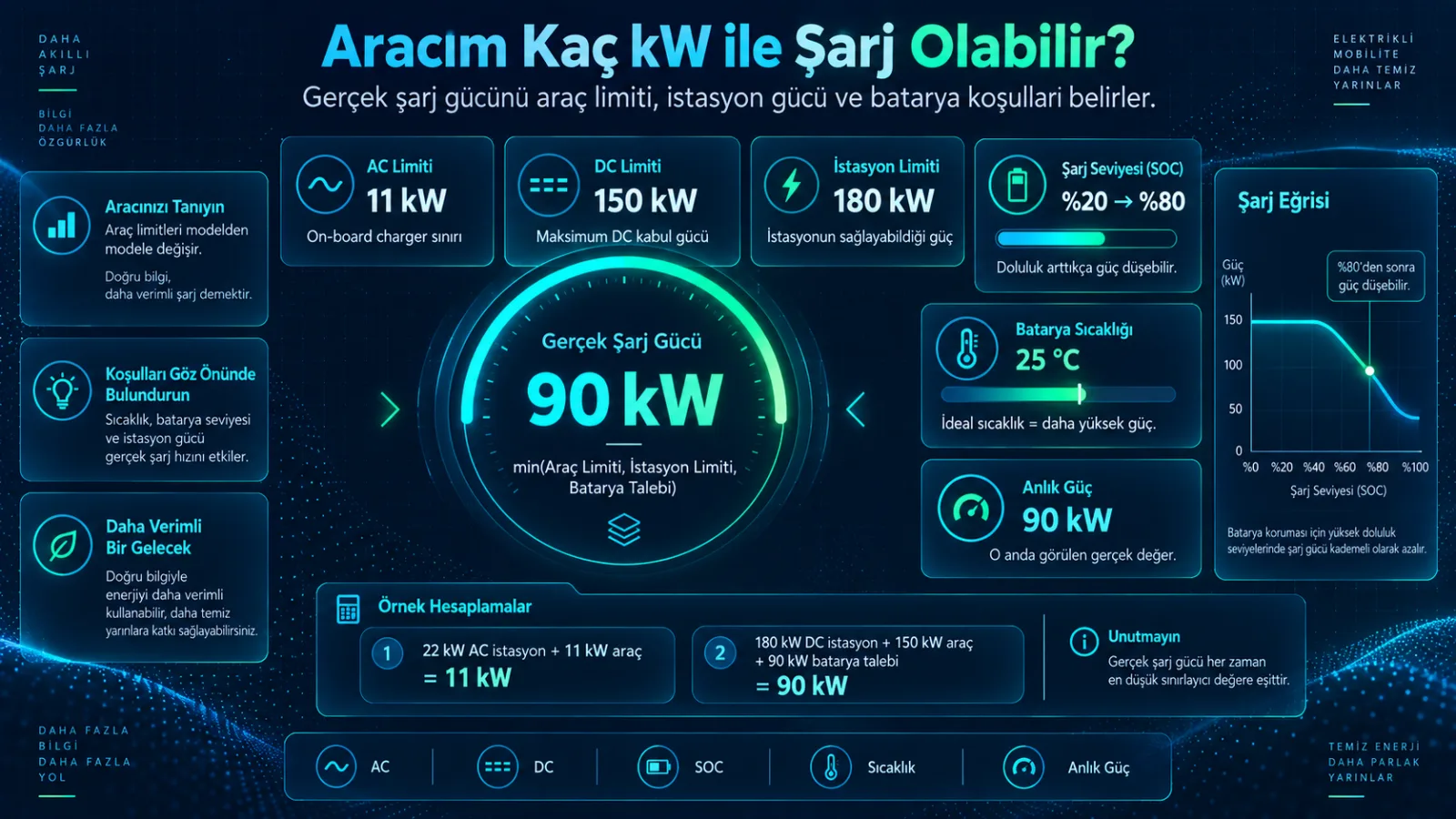
Table of contents
How Many kW Can My EV Charge At?
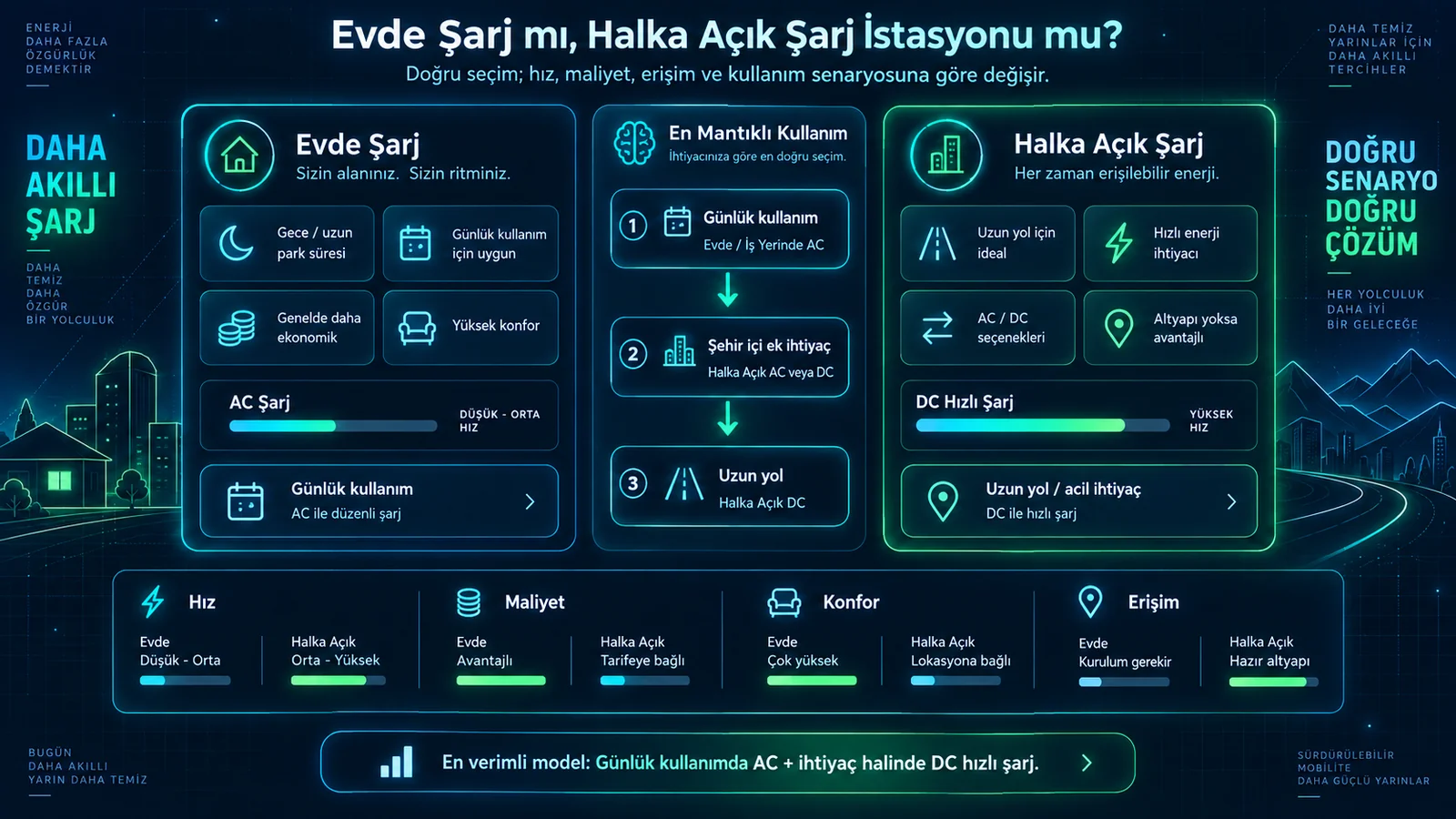
“How many kW can my car charge at?” has more than one answer. A vehicle can have separate AC and DC limits: for example, 11 kW AC and 150 kW DC. The station’s advertised power is only one part of the equation.
What determines actual charging power?
Think of three groups of limits: vehicle, station and current battery conditions. In simple terms, the lowest active limit governs the power delivered.
If a station supports 180 kW, a car supports at most 120 kW and its battery currently requests 85 kW, actual power may be around 85 kW. The station will not force its full rating into the vehicle.
What is the vehicle’s AC charging limit?
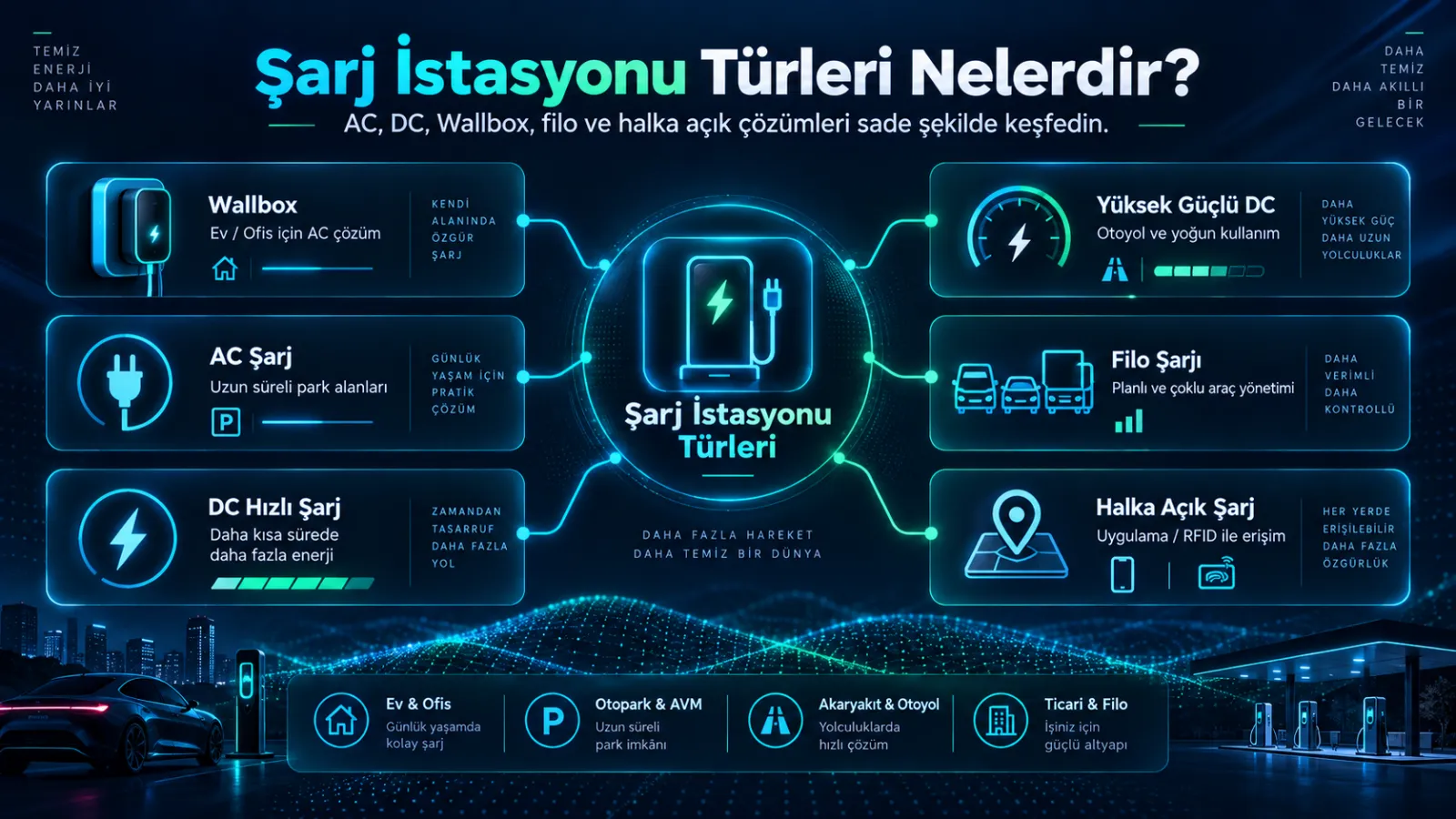
During AC charging, the vehicle’s onboard charger converts grid AC into DC for the battery. Its capacity is a principal limit. Common vehicle AC ratings include 3.7, 7.4, 11 and 22 kW.
A car limited to 11 kW AC will generally charge at around 11 kW on a 22 kW AC station. Conversely, an 11 kW station limits a car capable of 22 kW AC to around 11 kW. Check both specifications.
What is the vehicle’s DC charging limit?
During DC fast charging, conversion happens inside the station. Vehicles may support maximum DC rates such as 50, 80, 120, 150, 200 or 250 kW. This figure is usually listed separately from the AC rating in the manufacturer’s specifications.
A published 150 kW maximum DC means the car may reach around 150 kW under suitable conditions. It does not mean it will draw 150 kW for the whole session.
What is a charging curve?
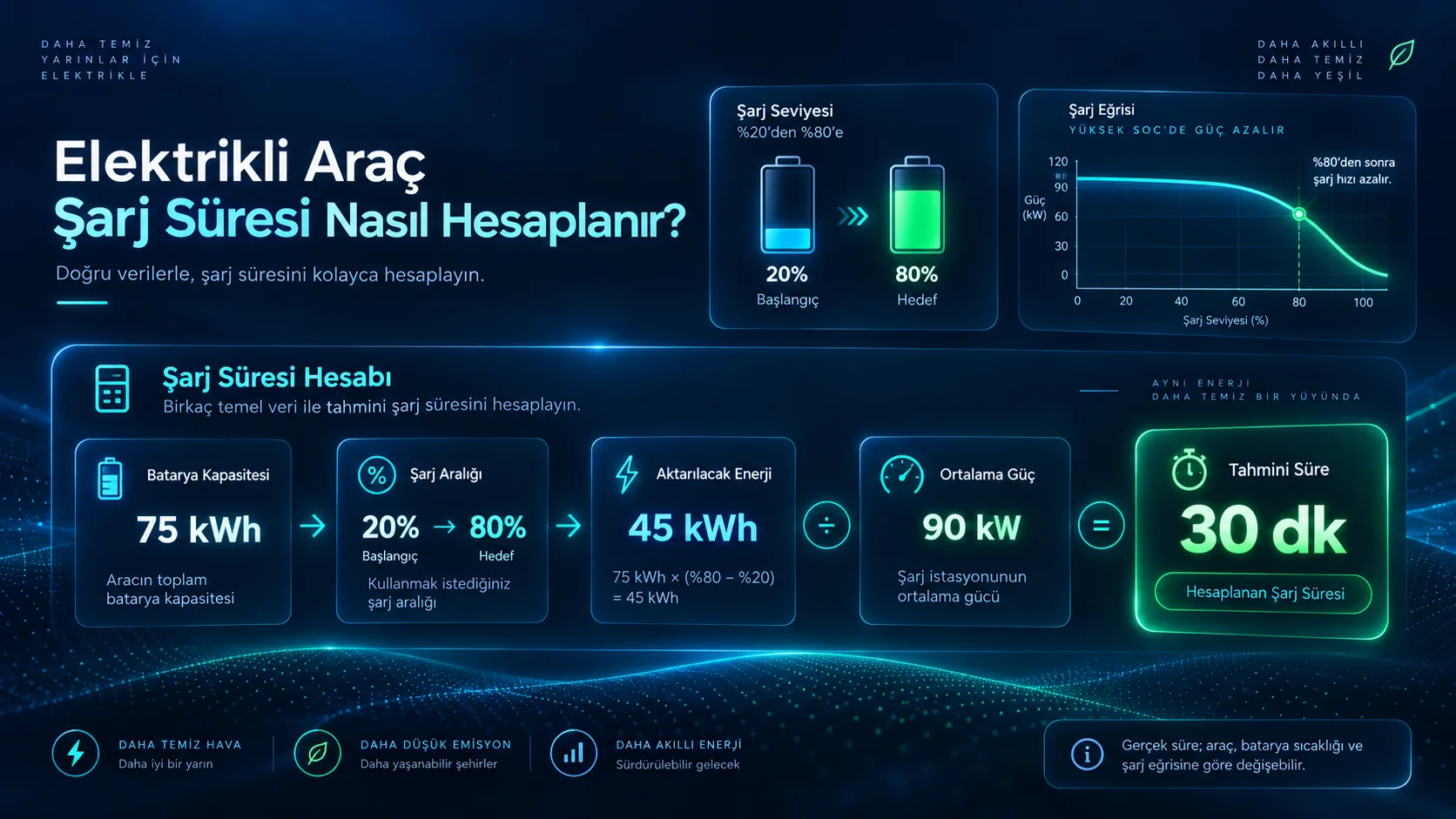
The charging curve describes how much power a vehicle accepts as battery charge level changes. A hypothetical 150 kW car might receive 150 kW at 10–30%, 130 kW at 30–50%, 100 kW at 50–70%, 70 kW at 70–80% and 40 kW beyond 80%.
Two cars with the same peak rating can therefore finish at different times. One may hold a high rate for longer while the other drops quickly. Average power across the intended charge range is often more useful than the highest kW number.
Why does state of charge matter?
As a battery fills, cell voltage rises and the vehicle may reduce power to manage heat and protect the pack. Many cars slow noticeably above roughly 80%, which is why 10–80% charging time is often used for comparison. A car arriving at a station with 75% charge can behave quite differently from the same car arriving at 15%.
Why does battery temperature matter?
A very cold or hot battery may accept less power. A car rated for 150 kW DC could initially request only 40–50 kW on a cold day, even at a 180 kW station. Its request may rise as the battery reaches a better temperature.
Some vehicles support battery preconditioning. When a compatible fast charger is set as the navigation destination, the car may prepare its battery before arrival. This can be particularly helpful in cold weather.
Do 400 V and 800 V vehicles differ?
EVs use different high-voltage architectures, commonly described as roughly 400 V or 800 V classes. Because Power = Voltage × Current, higher voltage can make it possible to transfer a given power at lower current. That can help at very high charging rates, but 800 V does not automatically mean faster charging. Battery design, vehicle controls, the station’s voltage range and the charging curve all matter.
Why can two cars charge at different speeds on the same station?
A 70 kW-capable car and a 170 kW-capable car can reach different rates on the same 180 kW station under suitable conditions. Their vehicle limits differ.
Even the same car can show different rates on different days because of starting charge level, battery and outside temperature, preconditioning, available station capacity and the battery management system.
Can a second vehicle reduce available power?
Yes. A dual-connector 180 kW station might deliver up to 180 kW with one car connected, then share total capacity as 90 + 90 kW, 120 + 60 kW or dynamically when a second car arrives. The car may be capable of more than the station can offer at that moment.
Where can I find my car’s maximum charging rate?
Consult the vehicle manufacturer’s technical specifications for two separate values:
- maximum AC charging power, such as 11 kW; and
- maximum DC charging power, such as 150 kW.
If the vehicle display shows 87 kW during a session, that usually represents approximate current charging power. It may rise or fall as the session progresses.
Common examples
| Station rating | Vehicle limit | Theoretical upper bound |
|---|---|---|
| 60 kW | 150 kW | 60 kW |
| 120 kW | 80 kW | 80 kW |
| 180 kW | 150 kW | 150 kW |
| 320 kW | 100 kW | 100 kW |
| 180 kW | 250 kW | 180 kW |
The battery may request less than these upper bounds. For instance, a 150 kW vehicle on a 120 kW station might actually take 95 kW at a particular state of charge.
Will a 320 kW station charge my 100 kW car faster?
Usually not because the car remains limited to around 100 kW. Similarly, a plug-in hybrid may support only AC, or AC plus a comparatively modest DC rate. Check the specific model, not just the vehicle type.
How does power relate to charging time?
An approximate formula is:
Time = Energy needed ÷ Average power
For 40 kWh at an average of 80 kW, the theoretical time is 0.5 hour, or 30 minutes. The word average matters: a vehicle that briefly reaches 150 kW might still average 80 kW over the session.
What should I check before choosing a station?
Find out whether the car supports DC charging, its maximum DC rate and its connector standard, such as CCS2 or CHAdeMO. For a fuller performance comparison, also consider maximum AC rate, 10–80% time, average charging power, charging curve, battery capacity, voltage architecture and preconditioning support.
Conclusion
The station’s kW rating alone cannot answer how fast your car will charge. Vehicle AC and DC limits, state of charge, battery temperature, the charging curve and shared station capacity all affect actual power. However powerful the station is, the vehicle can use only what its charging system and battery can accept.
About the author
Charge Teknoloji
Charging Infrastructure Team
Charge Teknoloji develops locally manufactured DC charging stations and OCPP-compatible charging network software.
LinkedIn arrow_outwardBe the first to hear about updates
Follow new content on electric vehicles and charging technologies.