How to Plan EV Charging for Shopping Centres and Car Parks
Plan AC and DC charging in shopping centres and commercial car parks using dwell time, daily traffic, connector count and power management.
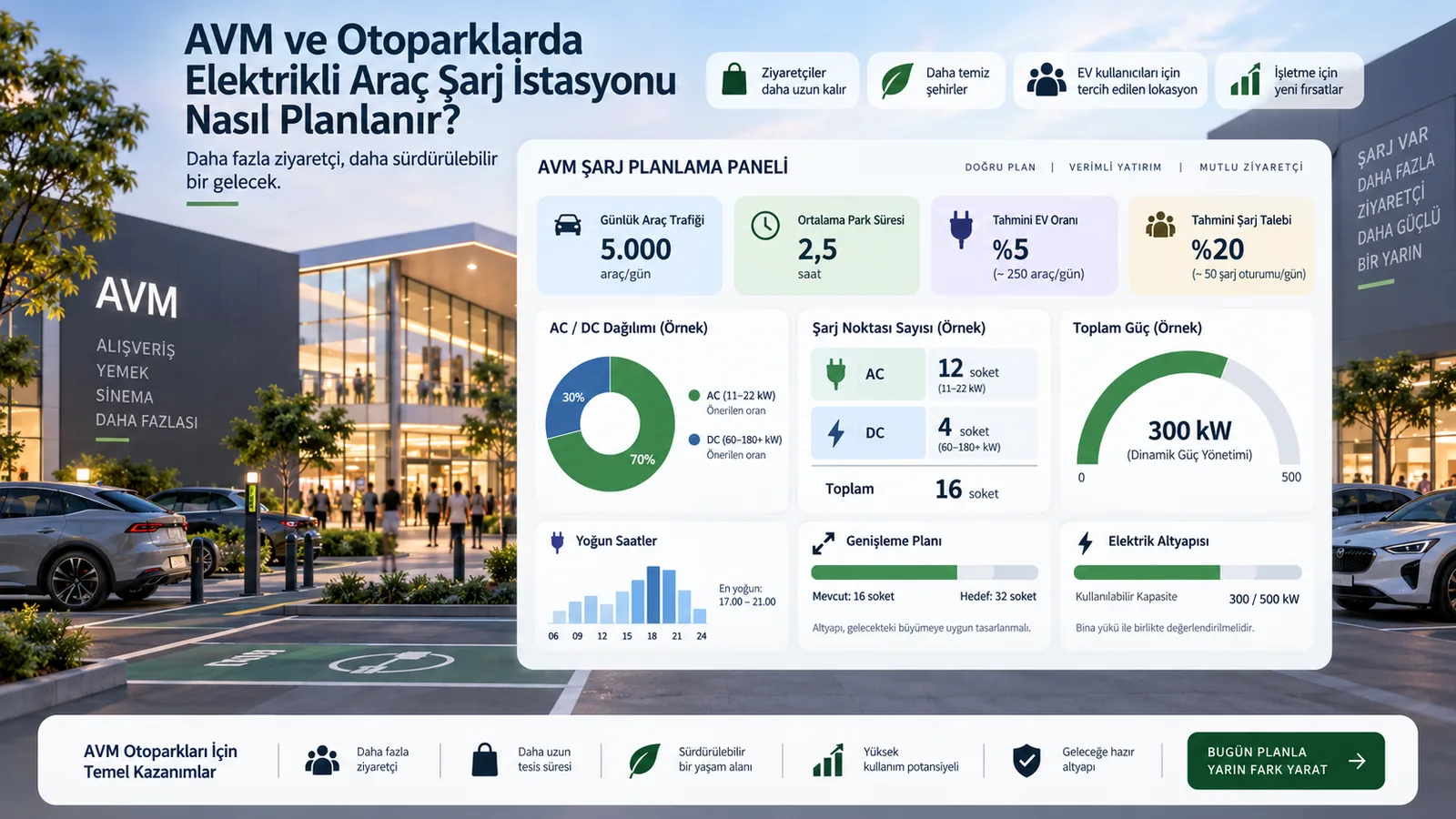
Table of contents
How to Plan EV Charging for Shopping Centres and Car Parks
Shopping centres and commercial car parks are good places to charge because visitors already leave their cars for a while. Planning should begin with how long vehicles stay, how many arrive and when demand peaks. A high-power charger alone cannot prevent queues if there are too few usable bays.
Decide where AC and DC fit
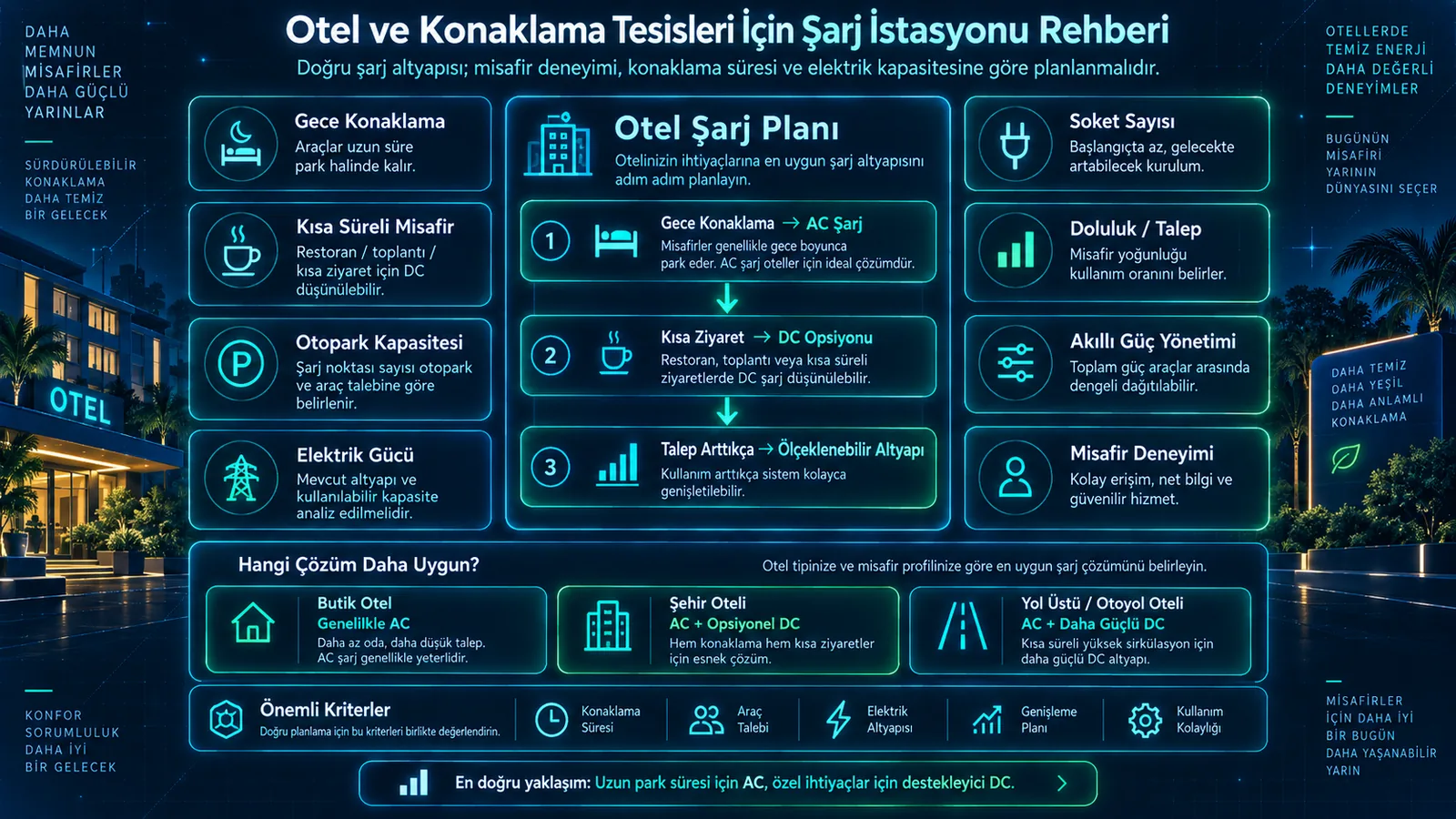
AC charging suits visitors who shop, dine or watch a film for several hours. A car capable of 11 kW AC could theoretically receive 11 × 3 = 33 kWh over a three-hour stay. Actual energy depends on the vehicle and conditions.
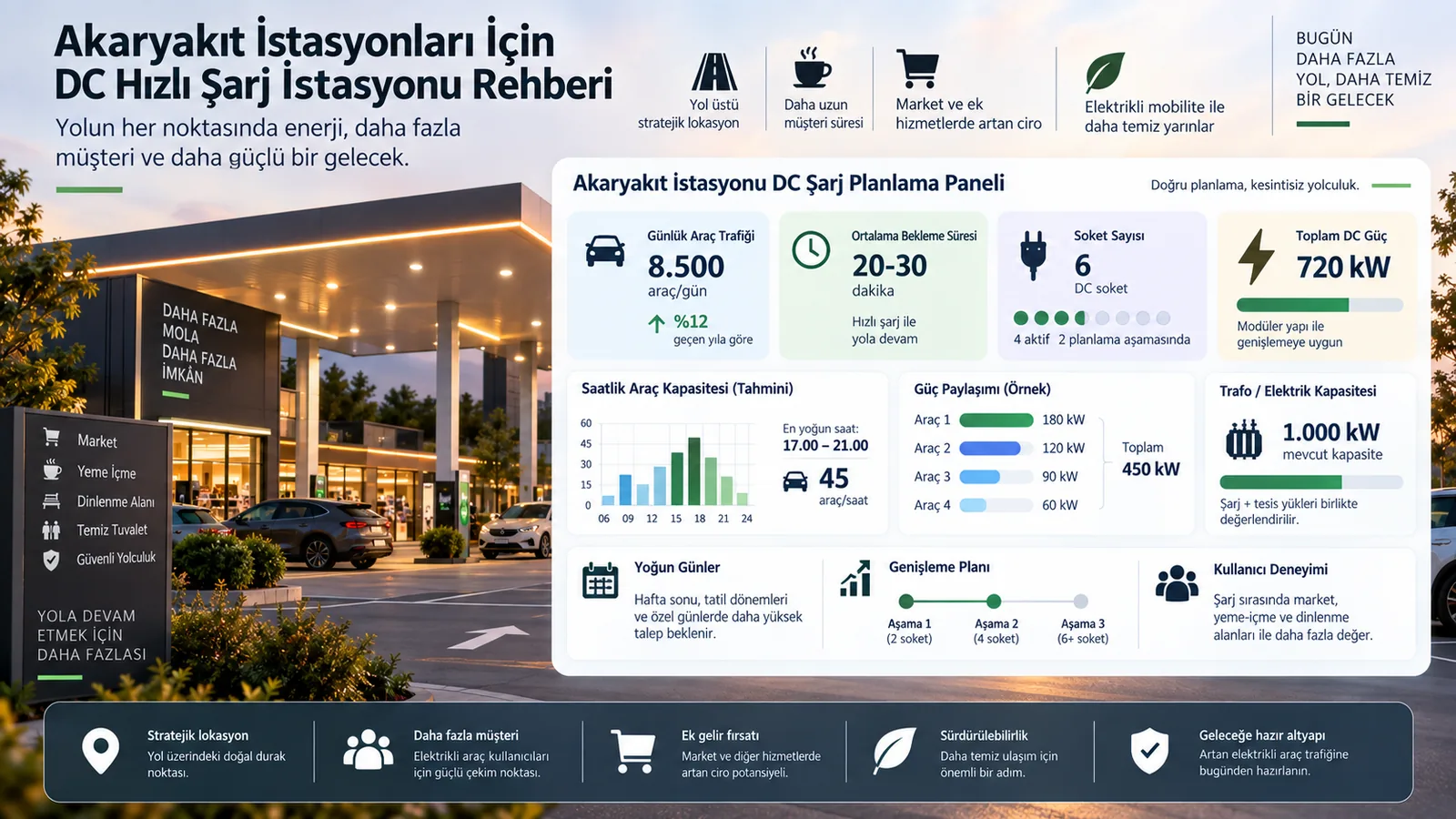
DC fast charging is useful for visitors who stay only 30–60 minutes, have an urgent energy need or need to continue a journey. A mixed site can offer both: AC for longer stays and DC for quick stops. The ratio should follow observed behaviour rather than a fixed formula.
| Visit | Indicative stay | Charging to evaluate |
|---|---|---|
| Dining | 1–2 hours | AC or DC |
| Shopping | 2–3 hours | AC |
| Cinema and shopping | 3–5 hours | AC |
| Staff parking | 6–9 hours | AC |
Estimate demand from traffic, not just parking capacity
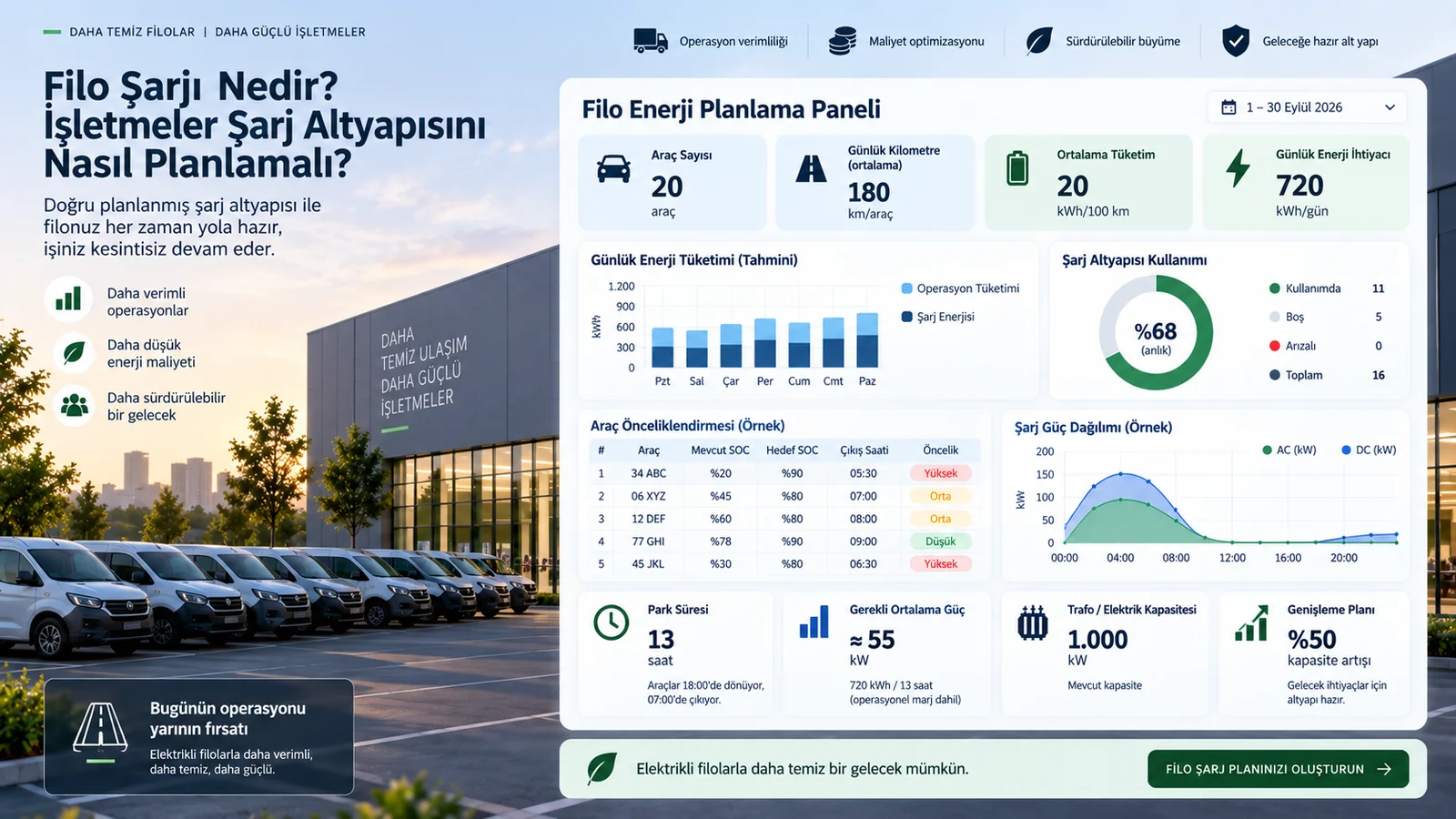
Two car parks may each have 1,000 spaces but see very different turnover: one could admit 10,000 vehicles a day and the other 3,000. Daily entries, peak hours, EV share, dwell time and existing charging use are more useful than space count alone. Begin with a practical number of points and preserve room to expand.
Bay turnover matters. If a car finishes charging after an hour but remains parked for four hours, that point cannot serve another driver for the next three hours. Clear signage, occupancy information and appropriate bay rules can help.
Check the electrical system and manage load
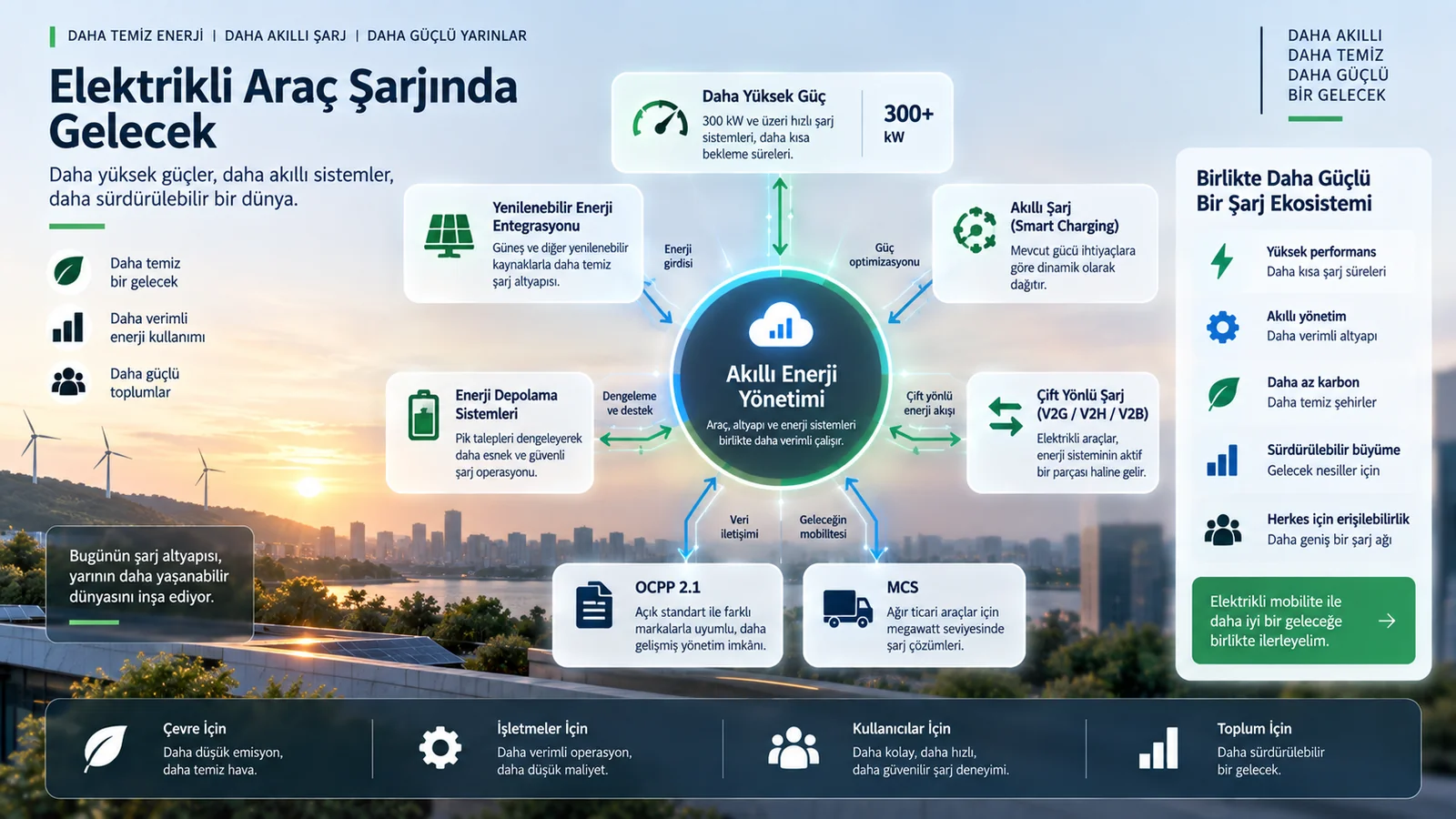
Twenty 22 kW AC chargers and two 120 kW DC chargers have a combined nameplate demand of 20 × 22 + 2 × 120 = 680 kW. That does not mean a site must continuously draw 680 kW. If only 300 kW is available for charging, a compatible load-management system can distribute the available power among connected vehicles.
As another example, ten 22 kW AC points sharing 110 kW would average about 11 kW each if all ten needed power simultaneously. A 180 kW dual-connector DC unit may split its total capacity between two cars, such as 90 + 90 kW or 120 + 60 kW, when the equipment and vehicle requests permit it.
Peak building consumption should be considered alongside charger demand. Dynamic management can reduce charging power when other loads rise. Commissioning should verify the actual limits rather than relying on a theoretical allocation.
Choose bays and connectors for real users
Place chargers where vehicles can reach them without blocking circulation. Consider entry and exit routes, cable length, safe pedestrian movement, accessibility and the operation of a covered car park. Plan what happens when charging finishes and how a driver finds a free connector.
A single 320 kW connector can charge one vehicle at a time. Four 80 kW connectors may serve more users in some locations, even though the total installed power is the same. Compare queue length, average energy needed and dwell time before deciding between one very powerful unit and several moderate-power points.
Operate and expand the service
Monitor connector availability, energy delivered, session length, queueing, faults and actual utilization. A central management system, potentially using OCPP, can help coordinate multiple units and locations. Plan payment, customer support and maintenance before installation.
Solar generation or storage can be evaluated as part of the wider energy plan, but neither replaces a site-specific electrical assessment. Reserve cable routes, switchgear space and physical bays for later phases where feasible. The strongest plan pairs the right number of available connectors with suitable power and a reliable daily operation.
About the author
Charge Teknoloji
Charging Infrastructure Team
Charge Teknoloji develops locally manufactured DC charging stations and OCPP-compatible charging network software.
LinkedIn arrow_outwardBe the first to hear about updates
Follow new content on electric vehicles and charging technologies.